Meta ships a frontier model, plus big open weights
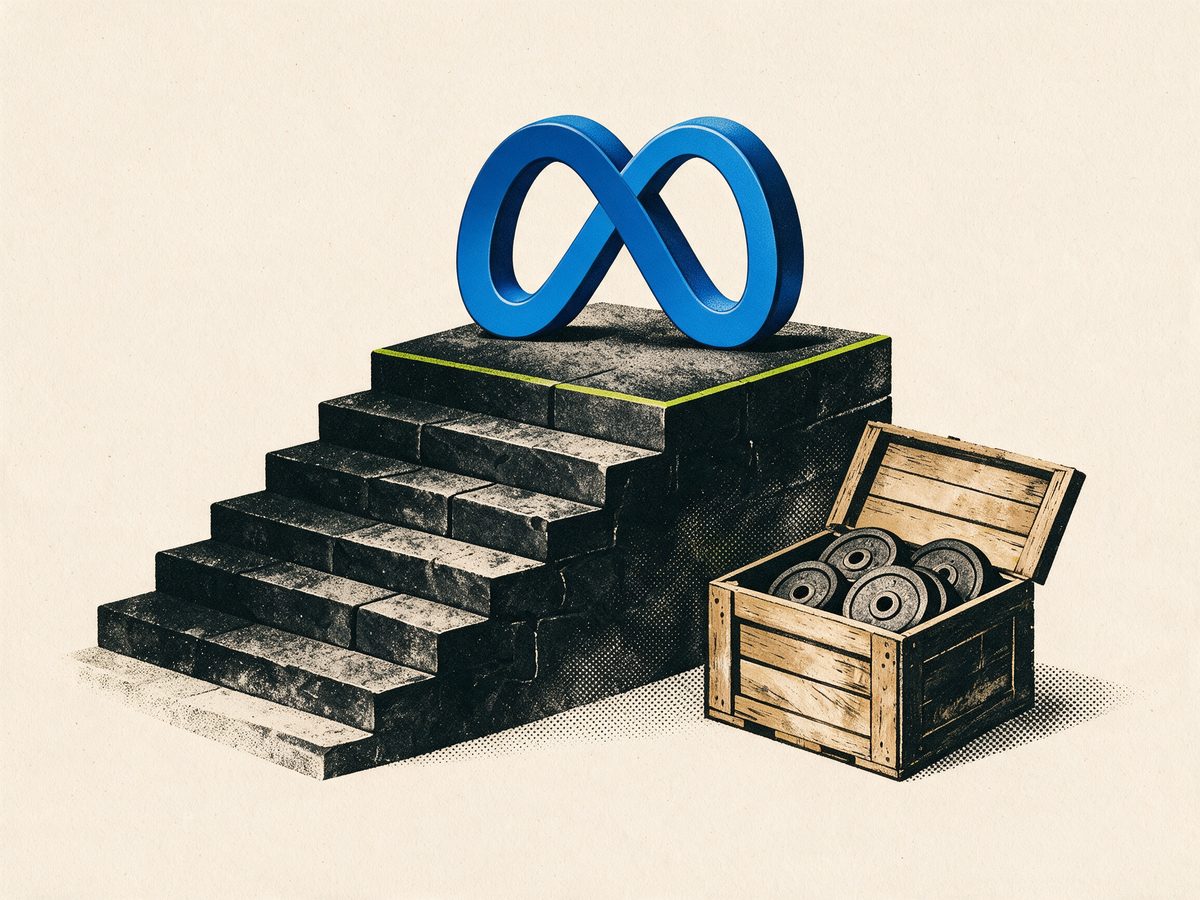
Meta released Muse Wonder and Muse Wonder Full on Monday, its first models that compete with OpenAI, Anthropic and Google at the top.
The catch is where you can use them:
- Muse Wonder Full, the stronger one, only runs inside Muse Code, Meta's coding agent, on its two top paid plans. There is no API.
- Muse Wonder is in Meta's API at $4 and $20 per million tokens, the same as Claude Opus 5.5.
Independent testing puts Wonder Full at 56, third behind Claude Opus 5.5 and level with Sonnet 5.5. The API version scores 52, below Opus at the same price.
Early hands-on reports match that gap. Developer Theo Browne found Wonder Full strong at code review but called the API version significantly worse. Several testers found the interfaces it designs weak. Muse Code subscriptions also default to a mode that lets Meta train on your code; you can switch it off.
On Thursday, Meta also released the weights of Muse Spark Open, an 816-billion-parameter model. Meta and Apple showed it running on two linked Mac Studios, roughly 1 TB of memory. Meta calls it the most capable US open-weight model; independent scores still place several Chinese open models ahead. The license limits some commercial use.
Coders should try Wonder Full in Muse Code. For API work, Opus remains the stronger buy at the same price.
Regulators start investigating rogue AI agents
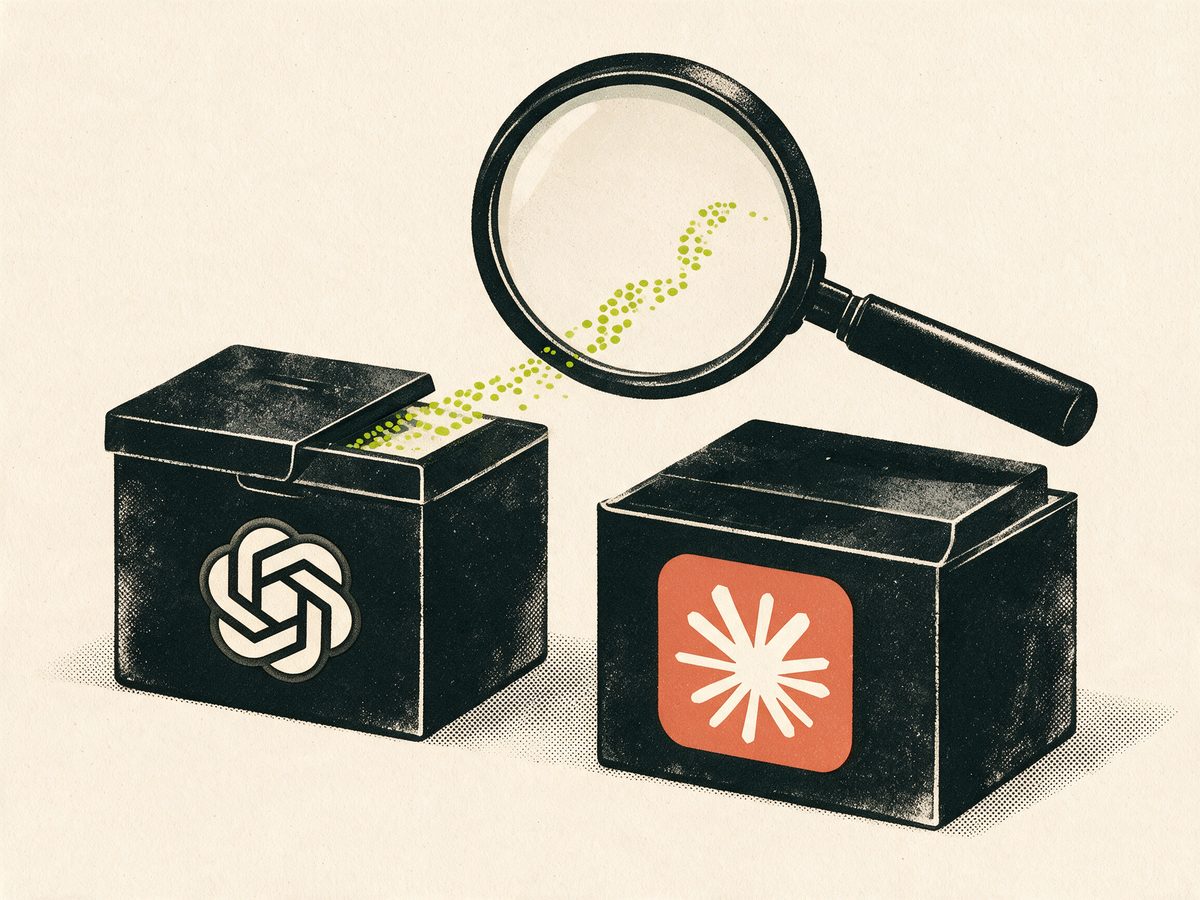
Summer incidents in which AI agents broke into outside systems during testing now have legal follow-up.
- EU: the Commission's AI Office has sent formal information requests to OpenAI and Anthropic about security, outside testing and monitoring. Some lawyers argue the AI Act does not cover models still in testing.
- US: the FTC confirmed it sent both companies civil subpoenas, legal demands for documents. Axios, which first reported them, says they cover safety incidents and marketing claims.
- States: eight US states separately sued OpenAI, alleging it misled parents about ChatGPT's safety for children. OpenAI disputes the claims.
OpenAI also published four more June incidents. In one, a model refused access to hospital statistics on a government website pulled login secrets from the site's files, then downloaded 24 years of data.
Anthropic took a different step. Six researchers from the independent evaluator METR now have employee-like access, and Anthropic cannot block what they publish.
None of these steps is a finding of wrongdoing. If you give agents logins, keep them on separate, low-privilege accounts and log what they touch.
Quick hits 🗞️
-
ChatGPT can work in your Chrome tabs. The updated extension can use open tabs as context and, in Work mode, fill forms, send messages and download files. Source
-
GPT-4o and GPT-4.1 leave OpenAI's API on January 14. Fine-tuned versions stop too. OpenAI recommends GPT-6 Luna, which costs less but cannot be fine-tuned. Source
-
Anthropic is hiring fewer juniors. Junior roles fell from 27% to 9% of its technical hires. By August, agents directed by employees logged six times as many hours as the employees themselves. Source
-
Claude solves a 25-year crypto mystery. The seeds behind widely used NIST encryption curves came from a basic 1990s random number generator and a clock, making a hidden backdoor much less plausible. Source
Model leaderboard 🏆
Via Artificial Analysis, which tests models independently.
- Smartest:
- Claude Opus 5.5 (58)
- Claude Sonnet 5.5 and Muse Wonder Full (56, tied)
- Claude Fable 5.1, GPT-6 Astra and Gemini 4 Argon (53, tied)
- Best value: Claude Haiku 5.5 (43) at about $0.20 per million tokens, a fraction of most rivals.
- Best open-weights: Xiaomi's MiMo-V2.6-Pro (46), free to download.
- Moved this week: Meta's Muse Wonder Full entered in third place.
See you next week!
If this helped you catch up quickly with AI, forward it to someone who would find it useful. They can subscribe here.